As the global demand for solar energy systems continues to grow every year, the technology behind them is also improving at an amazing rate, which bodes well for the future of energy. But for most people, lack of knowledge on how to turn to a solar energy system is what is holding them back from adopting solar energy.
We will take a deep dive into grid-connected and off-grid solar energy systems to see what they are, how they work, how they compare to each other, and all the other details that will be helpful to anyone who wants to install solar energy. So stick around until the end to learn some tips that will help you understand the whole setup better.

What is a grid-connected solar energy system:
The grid-connected photovoltaic power generation system can convert the DC power output by the solar array into AC power with the same amplitude, frequency, and phase as the grid voltage, and connect to the grid and transmit power to the grid. The flexibility of this power generation system lies in that when the sunshine is strong, the photovoltaic power generation system will supply the excess power to the grid while supplying power to the AC load; and when the sunshine is insufficient, that is, the solar array cannot provide enough power for the load, it can draw power from the grid to power the load.

Working principle of grid-connected solar energy system
The working principle of the photovoltaic grid-connected power generation system is mainly divided into three steps: photoelectric conversion, power regulation, and grid injection. First, the solar photovoltaic cell group receives sunlight and converts light energy into DC power through the photoelectric effect. Then, this DC power is processed by the grid-connected inverter and converted into AC power with the same frequency and phase as the grid voltage. Finally, this AC power is injected into the grid through the grid-connected equipment to achieve interconnection with the grid and power supply.

Components of a grid-connected solar system:
Inverter: The inverter converts the DC power generated by the solar panels into AC power to power devices inside and outside the house. It is one of the essential components to keep everything running smoothly in a grid-connected system.
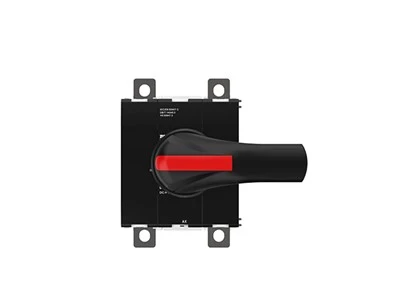
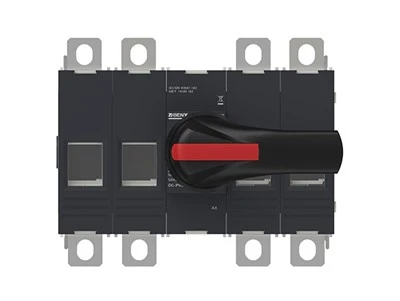
Array DC circuit breaker: This is an emergency switch used to disconnect the power in the house when maintenance and repairs are being carried out. It directly disconnects the power from the solar panels before the DC power is converted to AC power, which improves safety, especially when dealing with emergencies.
Electricity meter: The system uses an electricity meter to measure the amount of electricity you use from the grid to maintain contact with the utility grid. In this way, any excess electricity generated is returned to the grid for use elsewhere or stored for later use.
Charge controller: This is a charge regulator used to maintain the proper voltage used when charging the system's batteries. This helps prevent overcharging of the batteries, which can damage the batteries and cause battery performance to deteriorate.

Benefits of a grid-connected solar system:
1. Use clean, renewable natural energy solar energy to generate electricity, do not consume non-renewable, limited carbon-containing fossil energy, no greenhouse gas and pollutant emissions during use, and are in harmony with the ecological environment, in line with the sustainable development strategy of the economy and society.
2. The generated energy is fed into the grid, and the grid is used as an energy storage device. When the power load is large, the solar power is insufficient and electricity is purchased from the city power. When the load is small, or when the power is not used up, the excess power can be sold to the city power. Under the premise of relying on the grid, the system saves the battery, thereby expanding the scope and flexibility of use, improving the system's average time between failures and the secondary pollution of the battery, and reducing the cost.
3. The photovoltaic cell components are perfectly combined with the building, which can generate electricity and be used as building materials and decorative materials, making full use of material resources to play multiple functions, which is not only conducive to reducing construction costs, but also improves the technological content of the building and increases the "selling point".
4. Distributed construction, decentralized power generation and supply nearby, flexible entry and exit of the grid, is conducive to enhancing the ability of the power system to resist war and disasters, but also to improving the load balance of the power system and reducing line losses.

Limitations of Grid-Tied Solar Systems:
Lack of Batteries: Lack of battery backup may be good for cost savings, but it can increase unreliability when the sun is low. Without batteries, you could be left in the dark for long periods of time.
Less Incentive to Save Energy: At some point, if surplus power isn't properly utilized, then everything goes to waste, which can spell trouble for you when the seasons change and the sun wanes.
What is an off-grid solar system:

Off-grid solar systems, also known as stand-alone photovoltaic systems, are systems that generate electricity independently, rather than relying on the power grid. Off-grid solar systems are mainly composed of solar panels, batteries, solar controllers, inverters and other components. The direct current generated by solar panels flows directly into the battery and is stored. When it is necessary to power the AC load, the DC in the battery is converted into AC output by the inverter, which is a repeated charge and discharge cycle. Off-grid solar systems can be installed and used in sunny places, so off-grid solar systems are very suitable for use in homes, areas without power grids, fishing boats, outdoor breeding bases and other places. In addition, it can also be used in areas where power outages are frequent and emergency power generation equipment is required.
Working principle of off-grid solar power generation system:
Off-grid solar power generation systems are generally composed of photovoltaic arrays composed of solar cell modules, solar charge and discharge controllers, battery packs, off-grid inverters, DC loads and AC loads. The photovoltaic array converts solar energy into electrical energy when there is sunlight, and supplies power to the load through the solar charge and discharge controller, while charging the battery pack at the same time; when there is no sunlight, the battery pack supplies power to the DC load through the solar charge and discharge controller, and the battery also directly supplies power to the independent inverter, which is then converted into AC power by the independent inverter to supply power to the AC load.

Off-grid solar power generation system composition:
Solar cell module
Solar cell module is the main part of the off-grid solar power generation system and the most valuable component in the system. Its function is to convert the radiation energy of the sun into DC power.
Solar charge and discharge controller
Solar charge and discharge controller is also called "photovoltaic controller". Its function is to regulate and control the power generated by the solar cell module, charge the battery to the maximum extent, and protect the battery from overcharge and overdischarge.
Battery pack
The main task of the battery pack is to store energy so as to ensure the load power consumption at night or on rainy days. The number of series and parallel batteries can be configured according to the requirements of the system DC voltage level. When the batteries are connected in series and parallel, the same model specifications, the same manufacturer, the same batch, and the same installation and use principles should be followed.
Off-grid inverter
The off-grid inverter is one of the core components of the off-grid solar power generation system. It is responsible for converting DC power into AC power for AC load use. In order to improve the overall performance of the photovoltaic power generation system and ensure the long-term stable operation of the power station, the performance indicators of the inverter are very important. The inverter selection is based on the characteristics of the load (such as resistance, inductance or capacitance) and the load power size.

Advantages of off-grid solar energy system:
Compared with the commonly used thermal power generation system, the advantages of solar photovoltaic power generation are mainly reflected in:
1. No danger of exhaustion;
2. Safe and reliable, no noise, no pollution, clean (no pollution);
3. Not restricted by the distribution area of resources, and can take advantage of the building roof;
4. No need to consume fuel and set up transmission lines to generate electricity on site;
5. High energy quality;
6. Short construction period, short time to obtain energy.
Disadvantages of off-grid solar energy system:
1. There is intermittent and randomness in ground application, and the power generation is related to climatic conditions. It can not or rarely generate electricity at night or on rainy days;
2. Low energy density. Under standard conditions, the solar radiation intensity received on the ground is 1000W/M^2. When used in large specifications, it needs to occupy a larger area;
3. The price is still relatively expensive, 3~15 times that of conventional power generation, and the initial investment is high.

Conclusion:
To sum up, the two solar energy systems have their own advantages and disadvantages. We need to determine which solar energy system to use based on the installation site and natural environment. If you have more questions, you can always visit our website or consult our professional technical consultants.