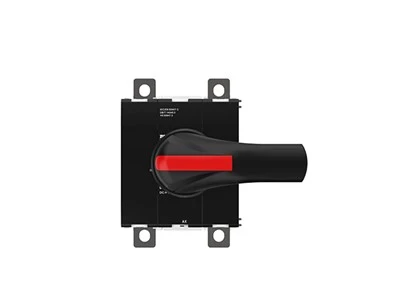
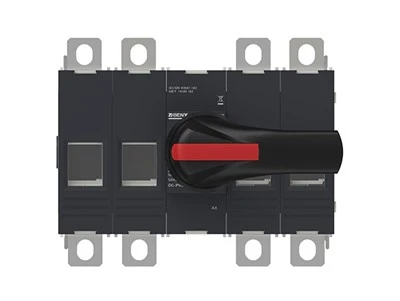
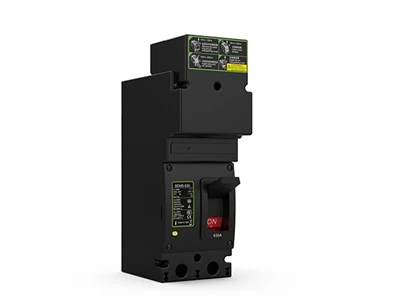
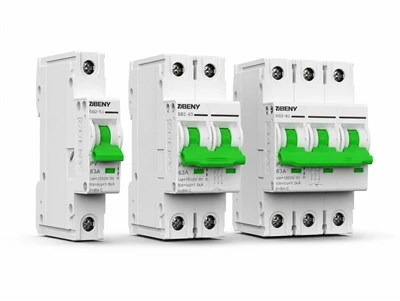
ZJBENY is a trusted manufacturer of protective components for photovoltaic systems across the globe. Through our focus on solar DC protection design, production, and marketing, we can bring brand-building PV protection solutions.
In recent years, ZJBENY has attentively invested resources in research on EV-related products, successively manufacturing other types of products, thus reaping wide market popularity across the world.
-
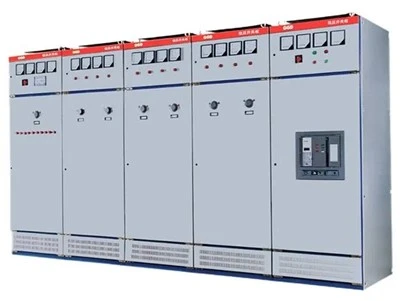
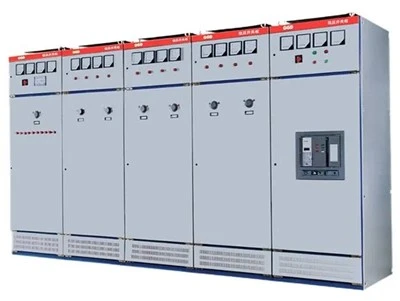
![Low-Voltage Switchgear GGD Type]() Low-Voltage Switchgear GGD TypeProduct Overview The GGD type AC low‑voltage distribution cabinet is suitable for AC 50Hz of power users such as power plants, substations, factories and mines. A power distribution system with a rated working voltage of 380V and a...view more
Low-Voltage Switchgear GGD TypeProduct Overview The GGD type AC low‑voltage distribution cabinet is suitable for AC 50Hz of power users such as power plants, substations, factories and mines. A power distribution system with a rated working voltage of 380V and a...view more -
![2 Guns DC EV Charging Station BDC]() 2 Guns DC EV Charging Station BDC2 Guns DC 60kW-240kW BENY EV Charging Station Fast Chargingview more
2 Guns DC EV Charging Station BDC2 Guns DC 60kW-240kW BENY EV Charging Station Fast Chargingview more -
![3 Guns DC EV Charging Station BDC]() 3 Guns DC EV Charging Station BDC82kW-262kW BENY EV Charging Station Fast Charging, 3 Guns DC+ACview more
3 Guns DC EV Charging Station BDC82kW-262kW BENY EV Charging Station Fast Charging, 3 Guns DC+ACview more -
![22KW SMART EV CHARGER WITH CABLE]() 22KW SMART EV CHARGER WITH CABLEZJBENY Smart EV Charger 3-Phase Type 2 Socket 32Amp 22kW IP65 Electric Vehicle Charger CE Certifiedview more
22KW SMART EV CHARGER WITH CABLEZJBENY Smart EV Charger 3-Phase Type 2 Socket 32Amp 22kW IP65 Electric Vehicle Charger CE Certifiedview more -
![AC EV WALLBOX WITH T2S SOCKET]() AC EV WALLBOX WITH T2S SOCKETBENY Electric Smart EV Wallbox Type 2 Socket with Shutter in Accordance with IEC 62196-2view more
AC EV WALLBOX WITH T2S SOCKETBENY Electric Smart EV Wallbox Type 2 Socket with Shutter in Accordance with IEC 62196-2view more -
![ZJBENY Portable EV Charger]() ZJBENY Portable EV ChargerThe BENY Portable EV Charging Cable is a convenient, portable, and plug-and-play way to Power your Electric Car.view more
ZJBENY Portable EV ChargerThe BENY Portable EV Charging Cable is a convenient, portable, and plug-and-play way to Power your Electric Car.view more -
![22KW SMART EV CHARGER WITH DLB FUNCTION AND PEN FAULT DETECTION]() 22KW SMART EV CHARGER WITH DLB FUNCTION AND PEN FAULT DET...ZJBENY Smart EV Charger Type 2 Socket 3-Phase 32Amp 22kW IP65 Electric Vehicle Charger CE Certifiedview more
22KW SMART EV CHARGER WITH DLB FUNCTION AND PEN FAULT DET...ZJBENY Smart EV Charger Type 2 Socket 3-Phase 32Amp 22kW IP65 Electric Vehicle Charger CE Certifiedview more -
![20kW-40kW DC EV Charging Station Wall-mounted BBDC]() 20kW-40kW DC EV Charging Station Wall-mounted BBDC20kW-40kW BENY EV Charging Station Fast Charging, Time and Power Saving, High Safetyview more
20kW-40kW DC EV Charging Station Wall-mounted BBDC20kW-40kW BENY EV Charging Station Fast Charging, Time and Power Saving, High Safetyview more -
![22kW Dual Socket EV Charger]() 22kW Dual Socket EV Charger*3 Phase, 2*22kWview more
22kW Dual Socket EV Charger*3 Phase, 2*22kWview more
*Dual Socket, Type 2 (IEC 62196-2)
*Plug and start to charge automatic, RFID card
*LCD Screen -
![22KW SMART EV CHARGER WITH SOCKET]() 22KW SMART EV CHARGER WITH SOCKETZJBENY Smart EV Charger with Type 2 (IEC 62196-2) Plug Socket 3-Phase 32Amp 22kW IP65 Electric Vehicle Wallbox Charger CE Certifiedview more
22KW SMART EV CHARGER WITH SOCKETZJBENY Smart EV Charger with Type 2 (IEC 62196-2) Plug Socket 3-Phase 32Amp 22kW IP65 Electric Vehicle Wallbox Charger CE Certifiedview more -
![7KW EV CHARGER WITH DLB FUNCTION AND PEN FAULT DETECTION]() 7KW EV CHARGER WITH DLB FUNCTION AND PEN FAULT DETECTIONZJBENY 1-Phase EV Charger Type 2 Socket 32Amp 7kW IP65 Electric Vehicle Charger CE Certifiedview more
7KW EV CHARGER WITH DLB FUNCTION AND PEN FAULT DETECTIONZJBENY 1-Phase EV Charger Type 2 Socket 32Amp 7kW IP65 Electric Vehicle Charger CE Certifiedview more -
![7KW EV CHARGER WITH SOCKET]() 7KW EV CHARGER WITH SOCKETZJBENY 1-Phase EV Charger Type 2 (IEC 62196-2) Plug Socket without Cable 32Amp 7kW IP65 Electric Vehicle Wallbox Charger CE Certifiedview more
7KW EV CHARGER WITH SOCKETZJBENY 1-Phase EV Charger Type 2 (IEC 62196-2) Plug Socket without Cable 32Amp 7kW IP65 Electric Vehicle Wallbox Charger CE Certifiedview more


Why Choose Us?
Rich Experience
Our experience of working in the electrical industry for more than 30 years allows us to create solar DC components that comply with the latest DC standards. With the inheritance of 30+ years of experience in the research and production of DC protection products, we are continuously dedicated to the EV charging field.
Broad Market
ZJBENY has attentively invested resources in research on EV-related products, successively manufacturing other types of products, thus reaping wide market popularity across the world.
Wide Product Range
ZJBENY offers a full range of solar PV protection products and EV chargers for different solar PV, battery energy storage, and EV charging system. Our Main Product Lines: EV Charger, Rapid Shutdown Device, Microinverter, PV Combiner Box, DC Isolator Switch, DC Circuit Breaker, DC Fuse Holder, DC Contactor, AC Components, etc.
Leading Service
We independently complete the R&D, production, marketing, sales, and technical support processes. We satisfy your needs with our long warranty, technical support, and other value-added services.
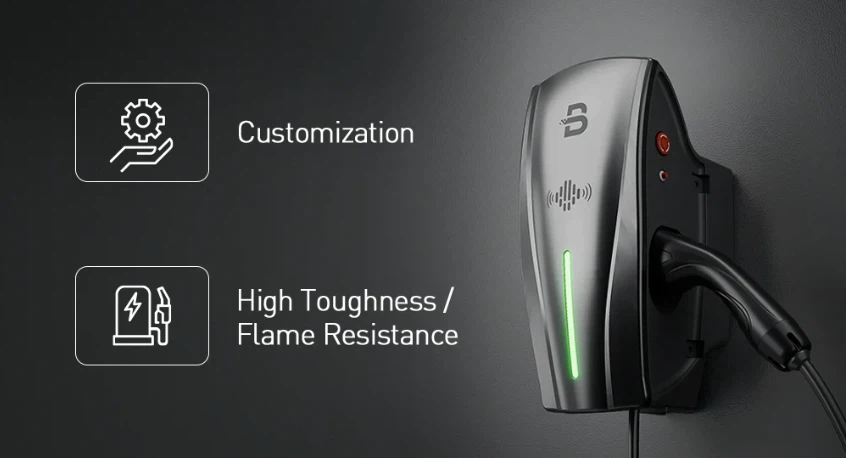
Electric Vehicle (EV) charging refers to the process of replenishing the energy in the battery of an electric vehicle. This is done by connecting the EV to a charging station or charger. A charging station, also known as an EV charging station or Electric Vehicle Supply Equipment (EVSE) supplies electricity to charge EVs. There are different types of EV chargers, including level 1 chargers, level 2 chargers, and DC fast chargers.
Your car operates by using its fuel cells to drive a motor, which then spins the wheels after it has been charged. And once charged, the range of your EV is determined by its features. While having a larger battery increases power, it also adds weight, which strains the engine. The engine, therefore, requires more power. While having a smaller battery makes the vehicle lighter, the shorter range and slow recharge make it unsuitable for long trips.
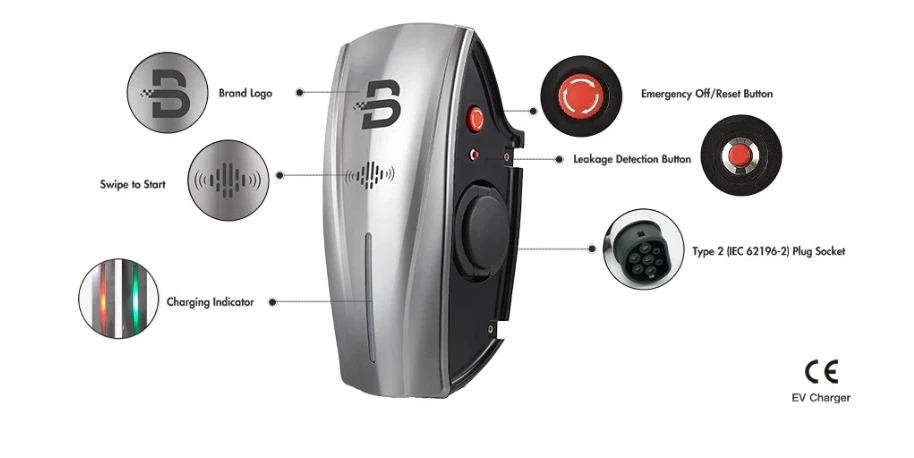
Features of EV Charger
Trickle Charge
The slowest method of charging your EV at home, using a standard (three-prong) 220V plug. It is only recommended in urgent cases, with caution and consultation with electricity providers.
Ac Charge
Having a wallbox installed lets you charge 3-4 faster using AC Household Charging. AC Public Charging is also available.
Dc Charge
The fastest way to charge your EV – at a public DC Fast charging station with power from 50kW and above. With this method you can top up your battery from 20 to 80% in approx. 40 minutes. There are also some ultra-fast charging stations that already provide more than 150kW.
How to Charge Your Electric Vehicle (EV)
Park your vehicle and turn it off. Next, open the charging port on your vehicle. Remove the appropriate connector from the charger and plug it into your vehicle.
Start the charge by using one of these three methods and following on-screen prompts:
Use the appropriate mobile application for the specific fast charger.
Use a network-specific RFID card to activate the charging process. If charging doesn't start automatically, follow the prompts on the screen to begin charging.
Use the start button on the charger or touchscreen. If charging doesn't start automatically, follow the prompts on the screen to begin charging.
There are two methods you can use to end the charging session if it doesn't end automatically:
Use the appropriate mobile application for the specific fast charger.
Use the stop button on the charger or touchscreen.
Once you've ended the charge, the plug will unlock. Remove the plug from your car and replace it on the charger.
Types of EV Charger
Level 1 Charger
Level 1 charging simply refers to plugging your EV into a standard power socket. Depending on where you are in the world, a typical wall outlet only delivers a maximum of 2.3 kW, so charging via a Level 1 charger is the slowest way to charge an EV—giving only 6 to 8 kilometers of range per hour (4 to 5 miles). As there is no communication between the power outlet and the vehicle, this method is not only slow, but it can also be dangerous if handled improperly. As such, we don't recommend relying on Level 1 charging to charge your vehicle except as a last resort.
Level 2 Charger
A Level 2 charger is a dedicated charging station that you may find mounted to a wall, on a pole, or standing on the ground. Level 2 charging stations deliver alternating current (AC) and have a power output between 3.4 kW - 22 kW. They are commonly found at residential, public parking, businesses, and commercial locations and make up the majority of public EV chargers.
At the maximum output of 22 kW, an hour's charging will provide roughly 120 km (75 miles) to your battery's range. Even lower power outputs of 7.4 kW and 11 kW will charge your EV much faster than Level 1 charging, adding 40 km (25 miles) and 60 km (37 miles) of range per hour respectively.
Level 3 Charging Station (DC Fast Charger)
Also known as DC or fast charging, Level 3 charging uses direct current (DC) to charge a vehicle's battery directly, instead of the alternating current (AC) used by Level 1 and 2 charging stations. This allows Level 3 chargers to bypass an EV's slower AC/DC onboard converter and deliver DC power directly to the battery.
As a result, Level 3 charging stations can deliver much more power faster, making them ideal for short-stop locations like gas stations and fleet depots. Charging times vary between different vehicles and power outputs, however, generally speaking, Level 3 chargers can charge a vehicle in minutes versus hours for Level 2 or days for Level 1 charging stations.
Certifications
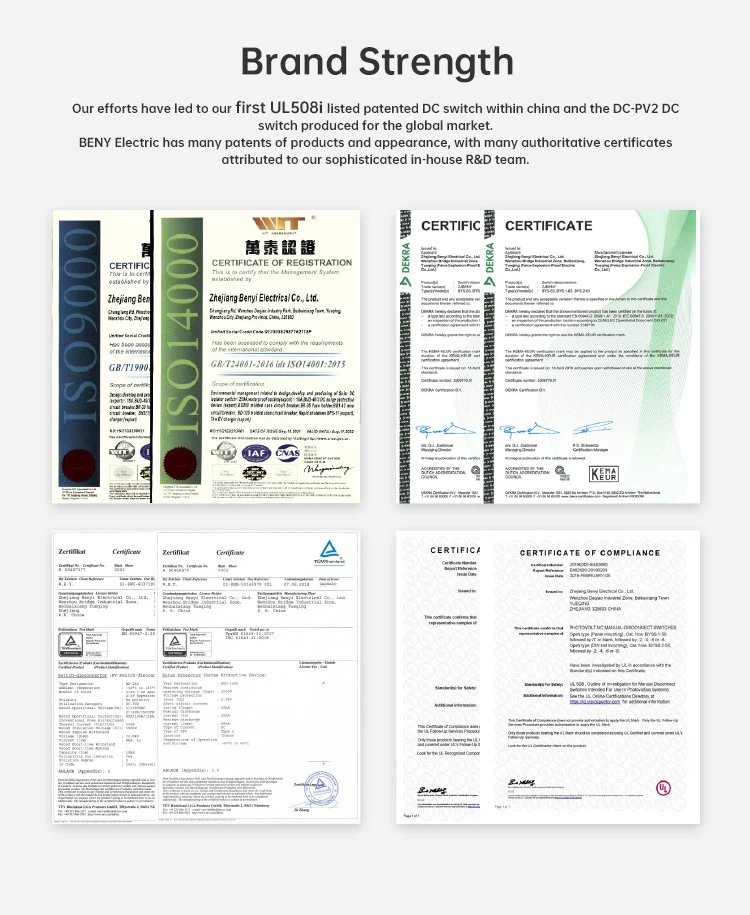
We have the UL1741 mark, certification issued by Underwriters Laboratories, the most important for system interconnection tests in the USA. ZJBENY also holds SAA, CB, CE, TUV, ISO, RoHS certifications.
Contact US
If you have any enquiry about quotation or cooperation, please feel free to email us at benyi@zjbeny.com, or use the following enquiry form. Our sales representative will contact you within 24 hours. Thank you for your interest in our products.
TEL: +86-577-57177008
FAX: +86-577-57177007
Address: Changjiang Rd, Wenzhou Daqiao Industry Park, Yueqing, Wenzhou, Zhejiang, China, 325603
Frequently Asked Questions
Q: Can any electric car use any charging station?
Q: How long do electric car batteries last?
Q: What are the three types of EV charging systems?
Q: Are EV charging stations free?
Q: Do I need a special charger for an EV?
Q: Is it worth getting a Level 2 charger?
Q: Can my house handle level 2 EV charger?
Q: Is a Level 2 charger worth it for a plug in hybrid?
Q: Should I charge my EV to 80 or 90?
Q: Is Level 2 charging bad for battery?
Q: Why are Level 3 chargers so expensive?
Q: Can I install a DC fast charger at home?
Q: Is charging an electric car cheaper than gas?
Q: How to get a free EV charger?
Q: Why are Level 2 Chargers so expensive?
Q: What is the difference between Level 1 and Level 2 charging?
Q: What size breaker do I need for an electric car charger?
Q: Can you charge EV from wall socket?
Q: What is the difference between socket and tethered EV charger?
Q: What is a Level 3 DC fast charger?
Our company is one of the leading ev charger manufacturers and suppliers in China, providing the best customized service. Welcome to wholesale high quality ev charger for sale here and get quotation from our factory.