Driven by the worldwide shift toward renewable energy, PV-storage integrated boxes - also widely known as solar-storage all-in-one cabinets or optical storage integrated boxes - have emerged as a go-to solution for distributed energy applications. For solar installers, project developers, and industrial and commercial energy operators, a solid understanding of this versatile device is essential to build stable, budget-friendly solar-plus-storage systems. This practical guide breaks down everything you need to know, including core definitions, real-world applications, key features, working mechanisms, product classifications, selection criteria and daily maintenance, to support your global procurement and on-site project deployment.
What Is a PV-Storage Integrated Box?
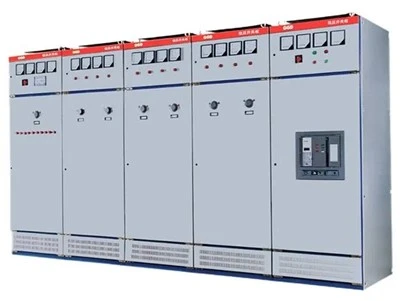
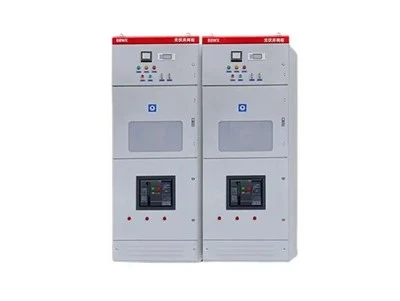
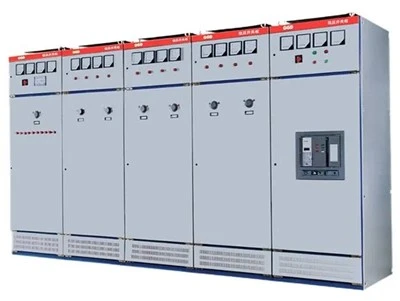
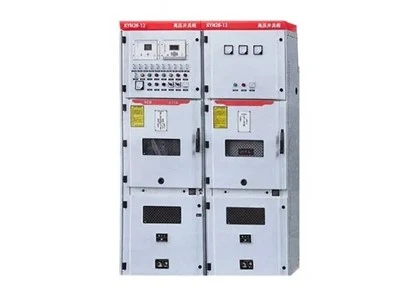
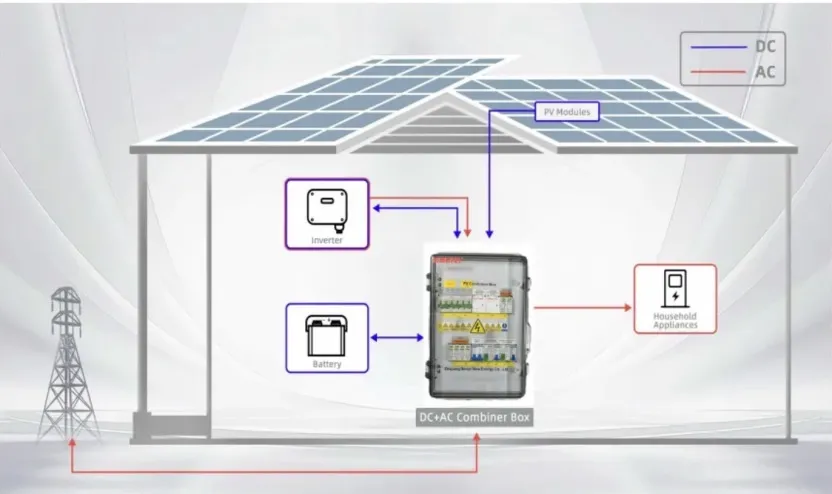
A PV-storage integrated box is a factory pre-assembled, all-in-one energy cabinet that consolidates solar PV input, battery energy storage, power distribution, electrical protection and intelligent management into a single compact unit. It seamlessly integrates solar power generation, energy storage, grid connection interaction and end-load power supply. This design effectively resolves the intermittency and volatility issues that plague standalone solar PV systems, greatly boosting solar self-consumption rates and overall power supply reliability.
Popular mainstream models such as the BHS-2/2+AC single-phase 7kW unit are widely adopted in residential, small commercial and off-grid scenarios, supporting flexible operation modes including grid-tied power supply, emergency backup power and standalone isolated microgrids.

Key Applications of PV-Storage Integrated Boxes
With soaring global demand for clean, sustainable power, PV-storage integrated boxes deliver consistent, reliable green energy across a diverse range of scenarios:
- Residential Home Energy Systems: Stores excess solar power generated during the day for nighttime use, provides instant backup power during grid outages, and effectively reduces household reliance on public utility grids.
- Industrial & Commercial (I&C) Facilities: Factories, shopping malls and business parks leverage peak-valley electricity price arbitrage to cut operational power costs. Meanwhile, the device offers UPS-grade uninterrupted power backup to guarantee continuous production and business operations.
- Off-Grid & Remote Locations: Delivers stable power supply for isolated islands, temporary construction sites, outdoor telecom base stations and rural communities where conventional grid access is unavailable or costly to build.
- EV Charging Stations: Stabilizes fluctuating grid loads, supports high-speed EV charging demands, and eliminates the need for expensive grid transformation and upgrade projects.
- Microgrids & Critical Emergency Power: Supplies resilient, low-carbon backup power for hospitals, disaster relief operations and other critical public infrastructure, ensuring power continuity in emergency situations.
Core Functions of PV-Storage Integrated Boxes
1. Energy Time-Shifting & Peak Storage
The system captures surplus solar energy generated during peak daylight hours and stores it in the battery bank. Stored power can be discharged on cloudy days, at night, or during grid peak tariff periods. This time-shifting functionality maximizes on-site solar self-consumption and significantly cuts monthly utility electricity expenses.
2. Power Conditioning & Grid Stabilization Support
It actively stabilizes grid voltage and frequency, balances sudden load fluctuations, and performs professional peak shaving and valley filling. With reliable grid frequency regulation capabilities, the device effectively optimizes local grid operation and enhances overall power grid stability.
3. Intelligent Energy Management & Automatic Optimization
Equipped with advanced EMS (Energy Management System) and BMS (Battery Management System), the integrated box conducts real-time data monitoring covering battery health status, solar irradiance, grid operational parameters and end-load power consumption. Fully automated intelligent control ensures safe, energy-efficient system operation and extends the overall service life of the battery pack.
4. Comprehensive Multi-Level Electrical Protection
Built-in DC and AC circuit breakers, SPD lightning surge protectors, electric leakage protection modules, as well as over-current, over-voltage and short-circuit protection components fully comply with international safety certification standards, delivering all-round safety safeguards for the entire solar-storage system.
How Does a PV-Storage Integrated Box Work?
The entire solar-storage system operates smoothly through three coordinated working stages:
- PV Charging Stage: Solar panels convert sunlight into DC electricity. A portion of the generated power directly supplies on-site electrical loads, while all surplus power is transmitted to the battery bank for storage via the professional PCS (Power Conversion System).
- Discharging & Emergency Backup Stage: When solar power generation is insufficient to meet load demand or the public grid experiences failures, the battery pack automatically discharges through the PCS. The system achieves seamless switching to off-grid mode to sustain normal power supply for all connected loads.
- Intelligent Energy Scheduling Stage: The core EMS intelligently adjusts real-time charging and discharging strategies based on real-time solar irradiance, load power demand, local electricity tariff rules and battery SOC (State of Charge). It automatically stops charging once the battery is fully charged and triggers backup power output instantly during grid outages, maintaining safe and high-efficiency system operation at all times.
Classification of PV-Storage Integrated Boxes
By Battery Type
- Lithium-Ion Battery Integrated Boxes: Features high energy density, ultra-long cycle life and a compact, space-saving structure. It serves as the mainstream option for most residential and industrial & commercial solar-storage projects worldwide.
- Lead-Acid Battery Integrated Boxes: Boasts lower initial procurement costs, making it a cost-effective choice for budget-limited projects and low-frequency, low-duty operation scenarios.
By Power Rating & Application Scenario
- Residential Grade (3–10kW): Single-phase power design with compact dimensions, supporting both wall-mounted and floor-standing installation, perfectly tailored for household solar storage systems.
- Industrial & Commercial Grade (10–100kW): Three-phase high-current configuration optimized for peak shaving and energy cost reduction, ideal for factory workshops and commercial buildings.
- Large-Scale & Microgrid Grade (100kW+): Adopts containerized modular design with flexible scalability, suitable for large centralized PV power plants and community-level microgrid projects.
By Electrical Coupling Topology
- DC-Coupled Systems: Delivers higher energy conversion efficiency and unified MPPT control, performing better in off-grid operation and high solar self-consumption scenarios.
- AC-Coupled Systems: Supports flexible system retrofitting and convenient capacity expansion, perfectly suited for existing grid-tied solar system upgrades and multi-scene energy projects.

Why PV-Storage Integrated Boxes Are Indispensable for Modern Solar Systems
Traditional standalone solar PV systems suffer from inherent power intermittency and instability. PV-storage integrated boxes solve these pain points thoroughly, converting fluctuating solar energy into steady, controllable and dispatchable power. The core advantages include:
- Boosting solar self-consumption rates to over 80% for maximum energy utilization
- Providing reliable emergency backup power and upgrading overall energy independence
- Cutting peak electricity demand charges and long-term operational energy costs
- Supporting grid load balancing and promoting wider renewable energy integration
- Allowing plug-and-play deployment, greatly shortening project construction cycles and lowering installation labor costs
How to Choose the Right PV-Storage Integrated Box: Buyer's Guide
For global importers, solar contractors and project planners, the following key factors should be prioritized for accurate product selection:
- Power Rating: Match the device's rated power to your actual load demand and inverter capacity. Single-phase 7kW models fit most household scenarios, while 30–50kW units are ideal for small and medium commercial enterprises.
- Storage Capacity: Calculate the required battery capacity based on daily power consumption, expected backup power duration and local annual solar irradiance conditions.
- Battery Chemistry: Prioritize LFP (Lithium-Iron-Phosphate) batteries, which feature superior safety performance, longer service life and stronger wide-temperature adaptability for diverse global environments.
- Topology & System Compatibility: Choose DC-coupled solutions for newly built solar-storage systems and AC-coupled solutions for existing system retrofits. Always verify full compatibility with your solar panels and local grid standards.
- Certifications & Reliability: Select products with authoritative international certifications including CE, IEC and UL, IP65 dust and waterproof protection, plus reliable professional after-sales support.
- Intelligent Operation & Maintenance: Prefer units equipped with EMS intelligent scheduling, remote real-time monitoring and mobile APP control to simplify daily O&M work.
Common Issues & Routine Maintenance Tips
Proper daily maintenance is critical to prolonging equipment lifespan and ensuring long-term stable operation:
- Battery Maintenance: Regularly inspect battery voltage, operating temperature and real-time SOC status. Avoid deep discharge and overcharging to prevent battery degradation.
- PV Panel Maintenance: Keep solar panel surfaces clean and free of dust, dirt and debris to maintain optimal power generation efficiency.
- Electrical & Control System Inspection: Periodically check all wiring connections, tighten loose terminals, and update EMS and BMS software to ensure precise system operation.
- Scheduled Professional Servicing: Follow the manufacturer's official guidelines for regular inspection and replacement of wearable parts to eliminate potential faults in advance.
Final Conclusion
As a foundational device in the global energy transition, the PV-storage integrated box delivers reliable, high-efficiency and cost-effective solar-plus-storage solutions for residential, industrial, commercial and off-grid energy projects worldwide. With continuous technological innovation and large-scale manufacturing optimization, modern solar-storage integrated systems will become more affordable and intelligent, accelerating global carbon neutrality goals and independent clean energy development.
Whether you are developing a residential self-use energy system, an industrial peak-shaving cost-saving project, or a remote off-grid microgrid, selecting a certified, well-matched PV-storage integrated box is the key to maximizing your project's ROI and ensuring long-term stable system operation.